

A/B Testing: Comparing two versions of something to see which one people like better.
Accounts Payable: A list of the money your business owes to other people.
Accounts Receivable: A list of the money other people owe to your business.
Analytics: Using data and numbers to see how well your plan is working.
Asset: a useful or valuable thing,person,or quality.
B2B (Business-to-Business): When one company sells things to another company.
B2C (Business-to-Consumer): When a company sells things directly to regular people.
B2G (Business-to-Government): When a company sells things to the government.
Benchmarking: Comparing your business to others to see how you measure up.
BOFU (Bottom of the Funnel): The final step where a customer is ready to buy.Bounce Rate: The percentage of people who visit your website but leave immediately.
Brand: The special look and feel that makes people recognize your company.
Business Form (also called a Business Structure): The kind of company you are. This "identity" decides the rules for how you run things.
Buyer Persona: A description of the "perfect" person who would want to buy your product.
Capital: The money and tools (like trucks or machines) a business needs to work.
CMS (Content Management System): Software used to build and change a website easily.Conversion Rate: How many people actually did what you wanted them to do (like buying a product).
Core Competency: The one thing your company does better than anyone else.
CPL (Cost Per Lead): How much money you spent to find one new person who might buy from you.
CRM (Customer Relationship Management): A tool used to keep track of everyone who buys from you.
CTR (Click-Through Rate): How many people clicked on your link after seeing it.
Deliverable: The final product or work you promised to give to a customer.
Demographics: Facts about your customers, like their age, if they are boys or girls, or where they live.
Digital Marketing: Using the internet to tell people about your business.
Evergreen: Information that stays useful for a long time and doesn't get old.
Fixed Costs: Bills you have to pay every month, even if you don't sell anything (like rent).
Friction: Anything that makes it hard or annoying for a customer to buy from you.
Gross: The total money you made before you paid any bills.
Inbound Marketing: Creating cool things like videos or blogs so customers come to you.
Incentivize: Giving someone a reason or a prize for doing something.
Infographic: A picture that uses drawings and few words to explain a hard topic.
KPI (Key Performance Indicator): A number that shows if your business is reaching its goals.
Liability: the state of being responsible for something, especially by law.
Margin: The money left over from a sale after you pay for the costs of making it.
Market Penetration: How much of a total market your business has captured.
Market Research: Asking questions to find out what customers really want.
Marketing: Everything you do to tell people about your product and get them to buy it.
Metrics: Numbers used to measure how well a business is doing.
MOFU (Middle of the Funnel): When a customer is thinking about your product but hasn't decided yet.
Monetize: Finding a way to make money from something.
Net: The money you actually get to keep after all the bills are paid.
Niche Market: A very small, specific group of people you are selling to.
Performance Review: A meeting where a boss tells a worker what they are doing well and how to improve.
PPC (Pay Per Click): An ad where you only pay if someone clicks on it.
POS System (Point of Sales): This is the machine (like a tablet or a computer) that does the math, tells you the price, and prints your receipt.
R&D (Research and Development): Working on new ideas or making products better.
Responsive Design: A website that looks good on any screen, like a phone or a laptop.
ROI (Return on Investment): A way to see if the money you spent was worth it.
Sales Funnel: The journey a person takes from first hearing about a product to finally buying it.
Scalable: A business or idea that can easily grow much bigger.
SEO (Search Engine Optimization): Making your website show up first when people search on Google.
SWOT Analysis: Looking at your business’s Strengths, Weaknesses, Opportunities, and Threats.
Target Audience : the specific group of people you are "aiming" at with your message or product.
TOFU (Top of the Funnel): The very first time a customer hears about your business.
Unique Selling Proposition: The one special thing that makes your product different from all the others.
Variable Costs: Bills that change depending on how much you sell (like shipping boxes).

Your Target Audience is the specific group of people you are "talking to" or "aiming at" with your business. Think of it like a bullseye on a dartboard. A business doesn't try to sell to every single person in the world because that would be too hard. Instead, they pick the group of people most likely to say, "Hey! I want that!"
How they find them: They look at things like how old the people are, what they like (like soccer or video games), and what problems they need to solve.
Example: If you are selling a super-fast, colorful skateboard, your Target Audience isn't 80-year-old grandmas—it's active kids and teenagers who love being outside!
How Businesses Find Their Bullseye
To find their target audience, companies look at a few main things:
Who are they? (Demographics): Are they kids or adults? Boys or girls? Where do they live?
What do they like? (Interests): Do they love video games, playing soccer, or reading books?
What do they need? (Pain Points): What problem do they have that your product can fix? (Like being hungry, or needing a faster way to do homework)
POS (Point of Sale)POS stands for Point of Sale.
This is the exact place and time where a customer pays for what they are buying.Think of it as the "Checkout Spot." In a store, the POS is the cash register or the computer where the clerk scans your items. Online, the POS is the "Checkout" page where you put in your information and click "Buy."
The POS System: This is the machine (like a tablet or a computer) that does the math, tells you the price, and prints your receipt.
Why it's cool: A good POS system also keeps track of what was sold so the store owner knows when they are running out of snacks!
How They Work Together:
Imagine you have a lemonade stand.
Your Target Audience is thirsty people walking by on a hot day.
Your POS is the little box where you keep your change and the sign that tells them how much to pay.
Video explanation: https://youtu.be/ZFXWVnCdlr4

This is the test for you, after learning everything you have, we now can use it to complete the following mission.
You are now the owner of "Robo-Pals," a shop that sells robot dogs, cats, and even robot dragons that never need to be walked or fed.
Step 1: The Target Audience (The Bullseye)
Even though robots are cool, not everyone will buy one. We need to find the people who really need a robot pet.
Who are they? Busy families who want a pet but don't have time to clean up messes, or kids who live in apartments that don't allow real dogs.
What do they like? Gadgets, video games, and animals.The
Bullseye: 7-to-12-year-old kids who love technology, and their parents who want a "practice pet."
Step 2: The POS (The Checkout Spot)
Since we are a high-tech shop, our Point of Sale needs to be fast and cool.
In the Store: Instead of a boring desk, we use a mobile tablet. When a kid picks a robot dragon, you walk up to them with the tablet, scan the dragon's tail, and their parent taps their phone to pay.
The "Secret Sauce": Our POS system also remembers which robot was sold. If we sell all the dragons, the computer automatically orders more so we don't run out!
Step 3: The Liability (The Safety Shield)Because these are robots with batteries, there is a tiny chance one might malfunction.
The Choice: You should set your shop up as an LLC.
Why? If a robot dragon accidentally chews a customer's rug, the LLC shield protects your personal stuff. The business pays for the rug, but you don't have to give up your own bike or video games to fix the mistake!
Your Turn!
You just got a shipment of Robot Parrots that can translate bird chirps into English.
1. Who is the Target Audience for a talking robot parrot?
2. Where would you put your POS (Checkout Spot) to make it easy for them to buy it?
3. What busniess form whould you choose.
4. Where would you do your Marketing first.

Think of a Business Form (also called a Business Structure) like the "rules of the game" for a company. When someone starts a business, they have to pick a form that tells the government how the business will work. It decides these main things:
Who is the Boss?: Is it just you (like a solo project), or do you have partners (like a team)?
Who Pays the Bills?: If the business owes money, does the owner have to pay it back with their own piggy bank?
How are Taxes Paid?: How does the business give a share of its money to the government to help the community?
The Shield: If the business loses money or gets in trouble, does the government blame you personally, or do they only blame the business?
Why it matters: Choosing your business form is a big deal because it decides if your own money is safe if the business has a bad day. It’s the "Identity Card" that tells everyone exactly how your business is allowed to act.
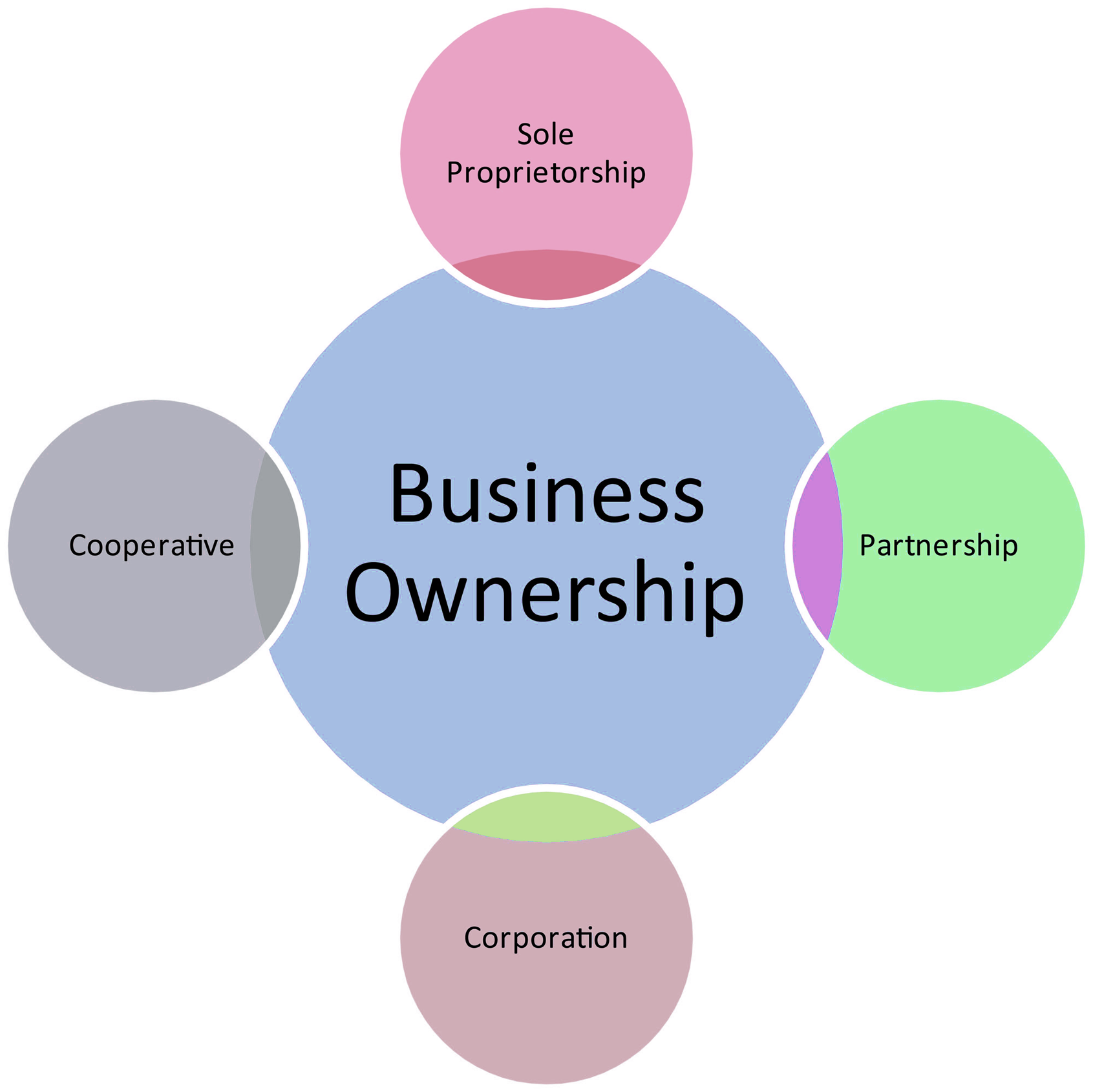
Sole Proprietorship: The "Solo" form. One person owns the whole thing. It's the easiest to start, but if the business loses money, the owner is responsible for every penny.
Partnership: The "Team" form. Two or more people share the work and the money. Just like a group project, everyone has to agree on the rules.
Corporation: The "Big Company" form. The business is treated like its own "person" in the eyes of the law. This protects the owners because if the company gets in trouble, the owners' personal money is usually safe.
C-Corp: A business that is completely separate from its owners. It can own property and pay taxes just like a person. It is good for very large companies.
S-Corp: A special kind of corporation for smaller businesses. It helps the owners save money on certain types of taxes.
LLC (Limited Liability Company): The "Safety" form. It is a mix of a partnership and a corporation. It’s popular for small businesses because it keeps the owner’s personal stuff (like their house or car) safe from business problems.
Limited Partnership (LP): A business where some partners run the daily work, while others just put in money to help but don't help with the daily jobs.
Franchise: A way to open your own branch of a famous business (like Subway or McDonald's). You pay the main company to use their name and sell their food.
Nonprofit: The "Helping" form. This business isn't trying to make the owners rich. Instead, all the money it makes goes toward a good cause, like protecting animals or helping the environment.
Picking the right business form is important because it changes two big things:
Safety (Liability): Some forms act like a "shield." If the business owes money, the shield protects your personal toys, your house, and your own money so nobody can take them.
Money (Taxes): Some forms let you keep more of the money you make, while others require you to share more with the government.
The Two Kinds of Liability in the world of business, there are two main ways this works:
Personal Liability (No Shield): This is like breaking your neighbor's window with a baseball. You did it, so you have to use the money in your own piggy bank to buy a new one. In a business, if you have personal liability, you might have to sell your own things to pay for a business mistake.
Limited Liability (The Shield): This is like a "safety bubble." If your business is an LLC or a Corporation, the business is responsible, not you. If the business makes a mistake, the "bubble" protects your personal piggy bank. People can take the business's money, but they can't touch yours!
A Simple Example
Imagine you run a pizza shop:
The Accident: A delivery driver accidentally knocks over a customer's expensive vase.
The Liability: The shop is "liable" for the vase. That means the shop has to pay the customer the money to buy a new one.
Which "Business Forms" give you the best Liability Shield?
1. Sole Proprietorship (No Shield)
How it works: You and the business are the exact same person.
The Risk: If someone sues the business or the business owes money, they can take your personal money, your car, or even your house to pay for it. There is no shield here.
2. Partnership (Shared Risk)
How it works: You and a friend run the business together.
The Risk: Not only are you responsible for your mistakes, but you are also responsible for your partner's mistakes! If your partner accidentally breaks something expensive, you might have to help pay for it with your own money.
3. LLC - Limited Liability Company (The Strong Shield)
How it works: This is the most popular choice for small businesses. It creates a legal "bubble" around you.
The Benefit: If the business gets into trouble, the "bubble" pops, and the business loses its money—but your personal piggy bank stays safe inside your house. The liability is "limited" to just the business.
4. Corporation "C-Corp and S-Corp"(The Super Shield)
How it works: This is for big companies like Apple or Disney. The company is treated like a completely separate "robot" or person.
The Benefit: The people who own the company (stockholders) are almost never responsible for the company's mistakes. The "robot" takes all the blame.
Most people starting a new business choose an LLC because it’s like having an insurance policy that protects your home and your Things while you try out your big idea.
Video explanation: https://youtu.be/5nRvb8C4T9Q

1. Do Your Homework (Market Research)Before you start, you need to see if people actually want what you’re selling. Look at who might buy your product and check out other stores nearby. This helps you figure out how to be better than the competition.
2. Write a PlanA business plan is like a map for your company. It explains how you will run things and how you will grow. You can also show this plan to adults or banks to prove that your idea is a good one.
3. Get the Money (Funding)Starting a business costs money. Your plan will tell you how much you need. If you don't have enough in your piggy bank, you might need to borrow money or find people to help pay for it.
4. Pick a LocationWhere you sell things matters a lot! Whether you have a real store in town or a shop on the internet, your location changes how much you pay in fees and how many people will see you.
5. Choose the Type of BusinessYou have to decide how your business is set up legally. This is important because it decides how you pay taxes and who is responsible if something goes wrong.
6. Pick a Great NameYou want a name that sounds cool and describes what you do. Just make sure nobody else is already using it!
7. Make it Official (Registration)Once you have a name, you have to tell the government. This protects your name so nobody else can take it and makes your business "real" in the eyes of the law.
8. Get Your ID NumbersJust like you have a student ID or a Social Security number, your business needs its own ID number. You’ll use this to pay taxes and open a bank account.
9. Get Permission (Licenses and Permits)Depending on what you do, you might need special permission slips from the city or state to stay open. This keeps everything safe and legal.
10. Open a Business Bank AccountIt’s a good idea to keep your business money separate from your personal money. Having a special bank account for your store makes it much easier to keep track of what you spend and what you earn.

1. Don’t ignore your Target Audience
If you try to sell everything to everyone, you usually end up selling nothing to no one. Don’t build a product without knowing exactly who wants to buy it.
2. Don’t forget your "Shield" (Liability)
Never start a business as a Sole Proprietorship if you are doing something risky. If you don't have an LLC or a Corporation, your personal money is in danger if the business makes a mistake.
3. Don’t run out of "Fuel" (Cash)
Money is the fuel for your business. Don't spend it all on fancy desks or expensive offices before you actually start making money. Keep a close eye on your Fixed Costs.
4. Don’t skip the Market Research
Don't just assume your idea is great because your friends say so. If you don't ask real customers what they want, you might build something nobody actually needs.
5. Don’t ignore your "Haters" (Feedback)
If a customer tells you your product is hard to use (that's called Friction), don't get mad! Use that info to make your business better.
6. Don’t do everything yourself
You might be the boss, but you can't be the salesperson, the janitor, and the robot repairman all at once. If you don't learn to share the work, you will get too tired to lead.
7. Don’t forget the "Rules of the Game" (Taxes)
The government wants its share of your Gross earnings. Don't spend all your money without saving some to pay your taxes, or you’ll be in big trouble later.
8. Don’t have a messy POS (Point of Sale)
If it’s hard for people to pay you, they won't! Don't make your checkout process long or confusing. Keep your POS simple and fast.
9. Don’t ignore your Competitors
Keep an eye on what other "players" are doing. If the shop across the street starts selling better robot pets for less money, you need to know so you can improve your own Unique Selling Proposition.
10. Don’t give up too early
Most businesses are hard at the start. Don’t quit just because you had one bad week. Use your KPIs (your "scorecard") to see what is working and keep moving forward!
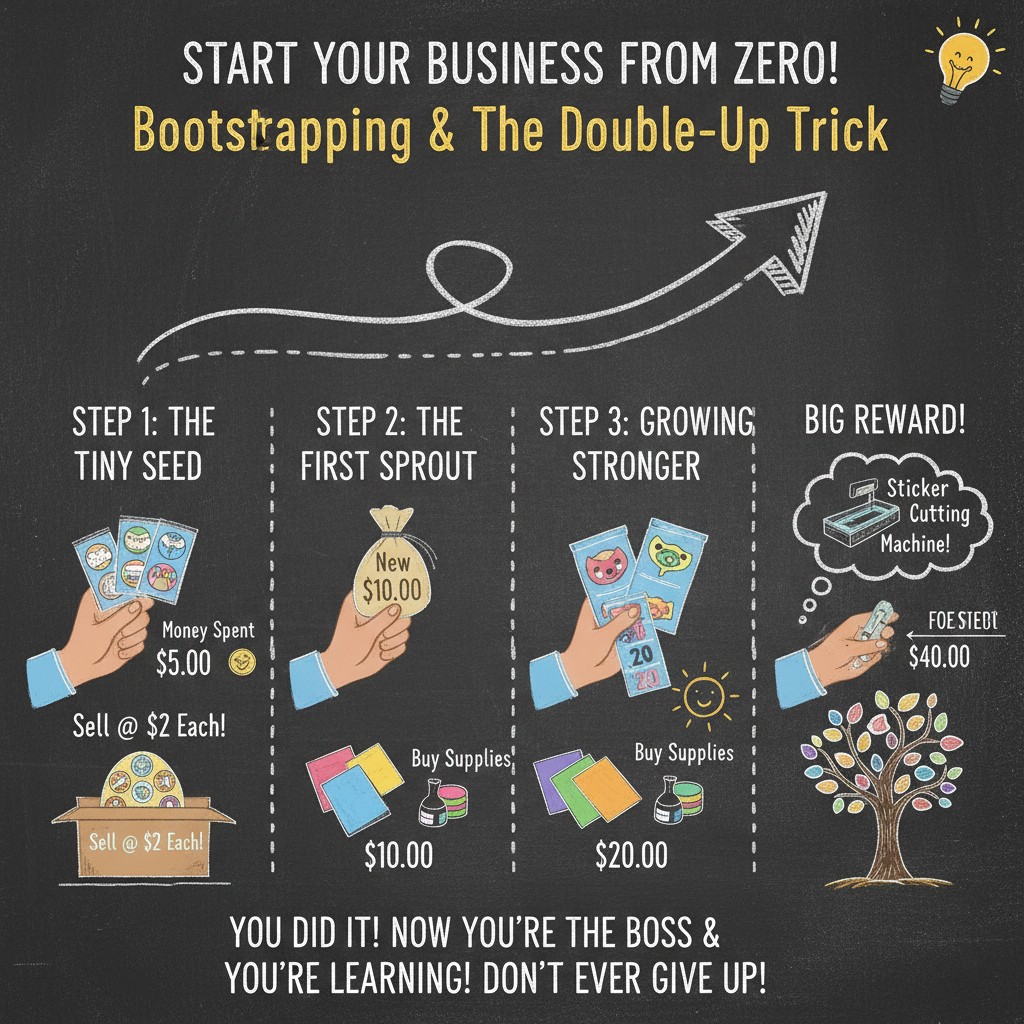
Do you have a world-changing idea but your bank account is empty? Don't worry! Starting a business isn't always about having a mountain of gold. Sometimes, you just have to start from the very bottom and grow like a seed.
How to start with $0
Sell your Skills: If your business is about doing something (like walking dogs or teaching math), you can start right this second! You don't need to buy anything to get started.The "Double-Up" Trick: If you are selling a product (like handmade bracelets), start small. Buy enough beads for just one bracelet. Sell it for twice what the beads cost. Now you have enough money to buy beads for two bracelets!Why it’s a good thing:Even though this moves slowly, it is the best way to learn. By "paying as you go," you learn how to handle every penny. You become a master of your business before it even gets big.The most important rule:Don't let an empty wallet stop you from reaching your goals. If you have the "will" (the want-to), you will always find the "way" (the how-to)!
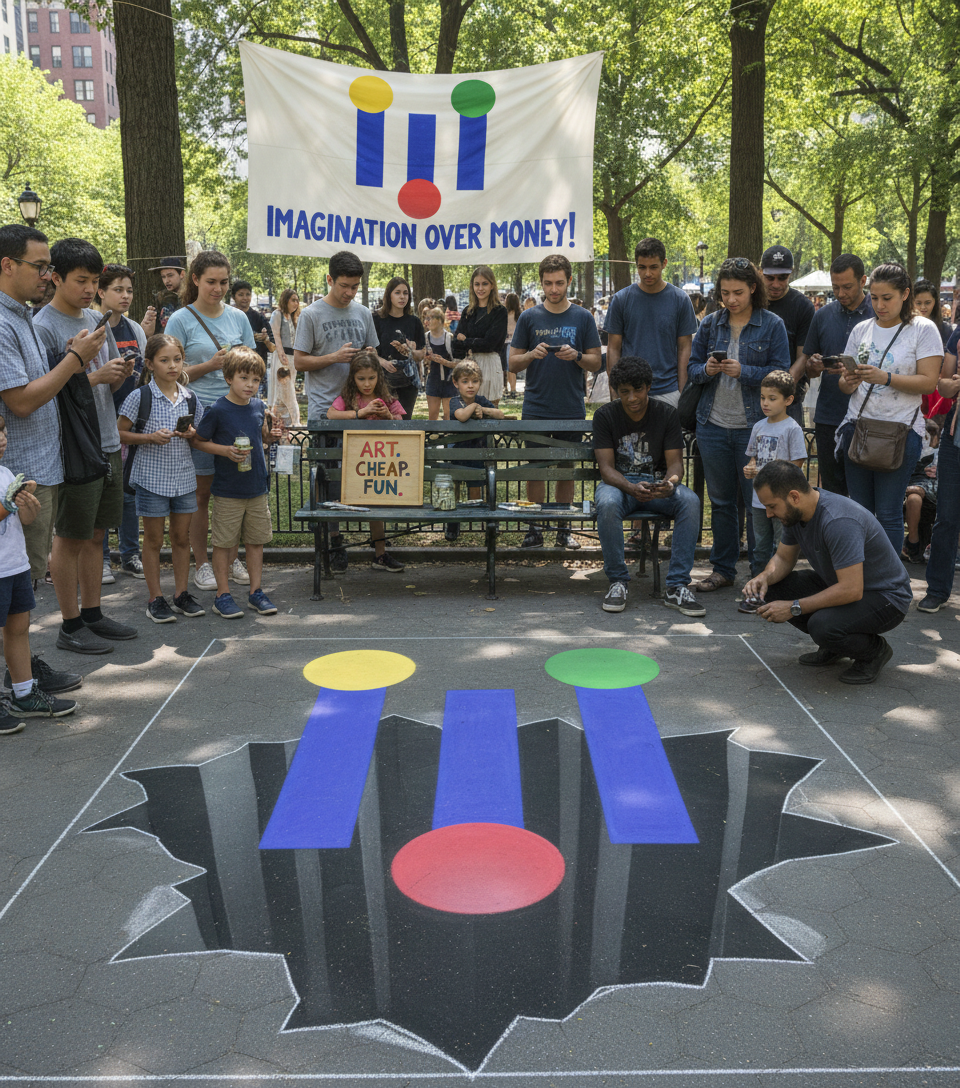
it means using surprise, creativity, and energy to get people’s attention without spending a lot of money. Smaller businesses love guerrilla marketing because it lets them compete with the "big dogs." Even if you only have $50, if your idea is creative enough, you can get the whole town talking about your shop!
Example: Red Bull's guerrilla marketing pioneered creating hype through social proof, placing empty cans in clubs/campuses to suggest popularity. By placing these empty cans in trash bins, on tables, and around high-traffic spots they created an illusion that the product was already popular and widely consumed, leveraging social proof. Guerrilla marketing is all about being clever so people stop and say, "Wait, what is that?" You want to trigger one of these emotions any time you do any marketing: Humor (laughing out loud), Awe (seeing something incredible), or Relatability ("OMG, that is so me!"). and that doesn't cost anything on social meida.
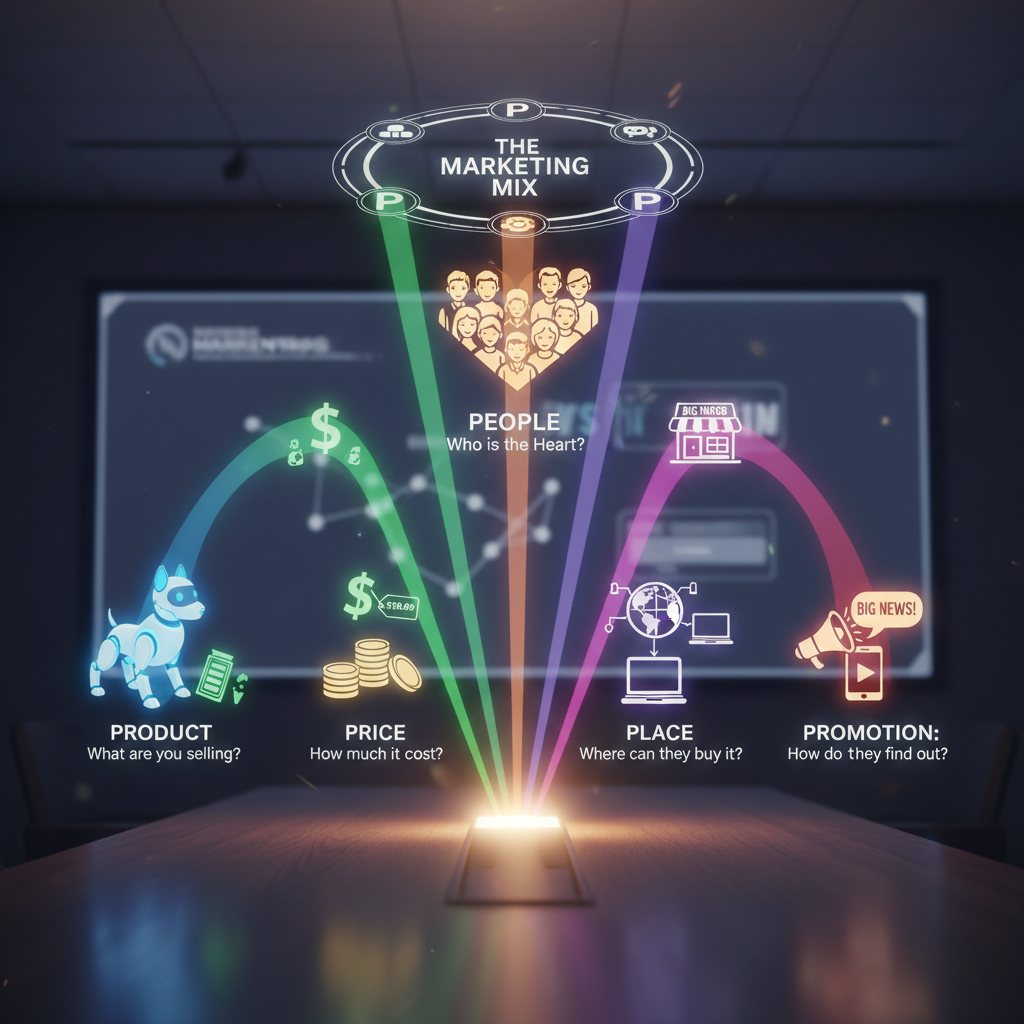
In the world of business, we call these the "5 Ps." Think of them as the five ingredients you need to bake a perfect "Marketing Cake." If you miss one, the cake won't taste right!
1. Product (What are you selling?)This isn't just the object; it's the solution to a problem.
The Question: What makes your robot dog better than a real dog? (Maybe it doesn't shed or bark at 3:00 AM).
Key Goal: Make sure your product is something people actually need or want.
2. Price (How much does it cost?)You have to find the "Goldilocks" price—not too high that no one buys it, and not too low that you don't make any money.
The Question: How much are parents willing to pay for a "practice pet"?
Key Goal: Cover your costs and leave enough profit to grow.
3. Place (Where can people buy it?)This is your "Distribution." You need to be where your customers are hanging out.
The Question: Should you sell in a toy store, on a website, or at a booth at the park?
Key Goal: Make it as easy as possible for the customer to find you (low friction).
4. Promotion (How do they find out about it?)This is the "loud" part of marketing. It’s how you tell your story.
The Question: Will you use a funny TikTok video, a "Double-Up" sticker campaign, or Guerrilla Marketing?
Key Goal: Grab attention and build excitement.
5. People (Who is doing the work and who is buying?)This is the most important part. It includes your Target Audience and your Team.
The Question: Who are the kids that love robots? Who are the employees who will be nice to the customers?
Key Goal: Build a relationship so people come back to buy from you again.




Making sure with Mosure